Suspension & Handling · Buyer's Guide
Coilovers
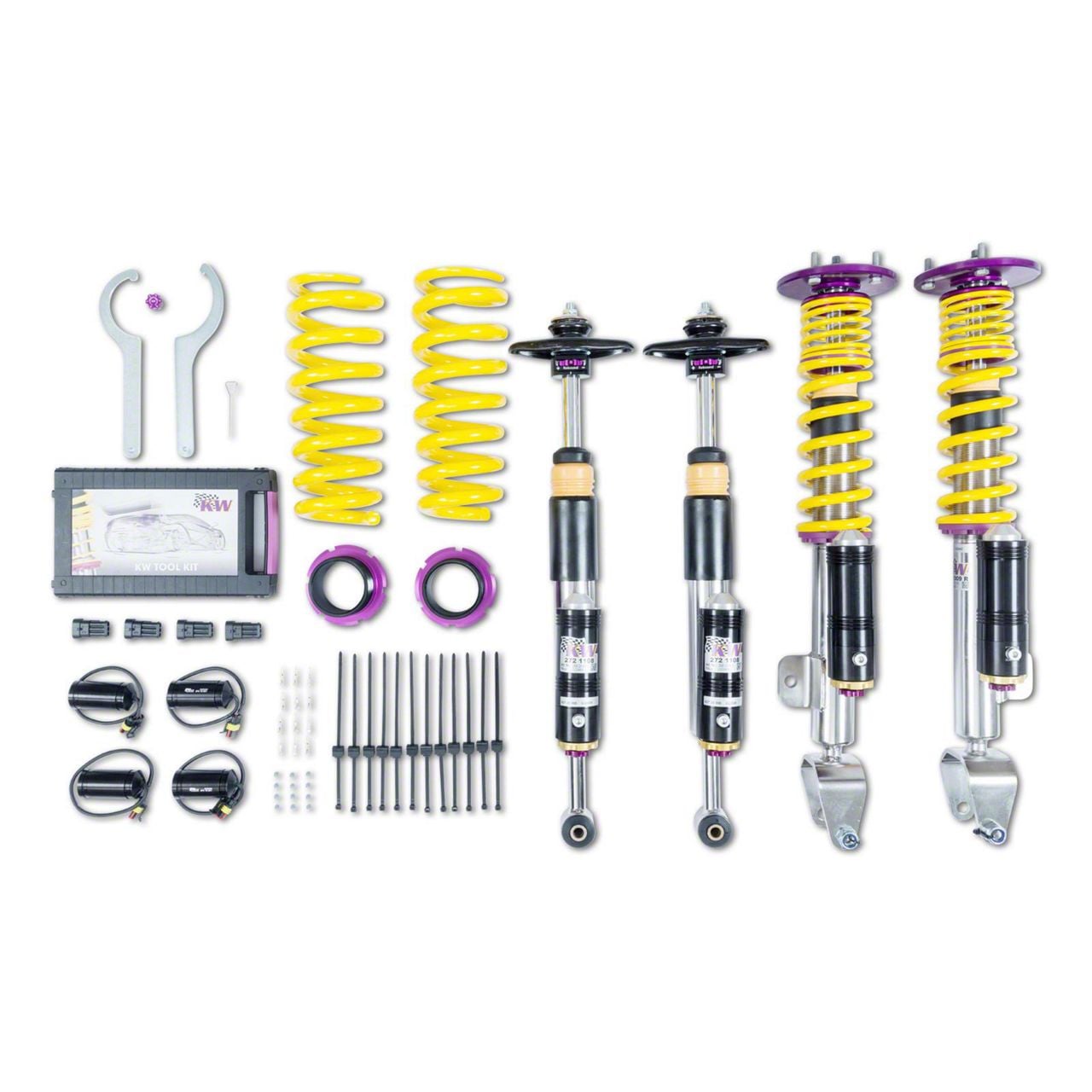
Coilovers combine the spring and shock into one adjustable unit. Unlike springs-only, you can independently adjust ride height, compression damping, and rebound damping. They're the ultimate suspension upgrade — you can set them soft for daily driving or stiff for track days. More expensive than springs but infinitely more versatile.
Recommended Picks
A starting point for your build, sorted by budget.
All Coilovers (14)
View as grid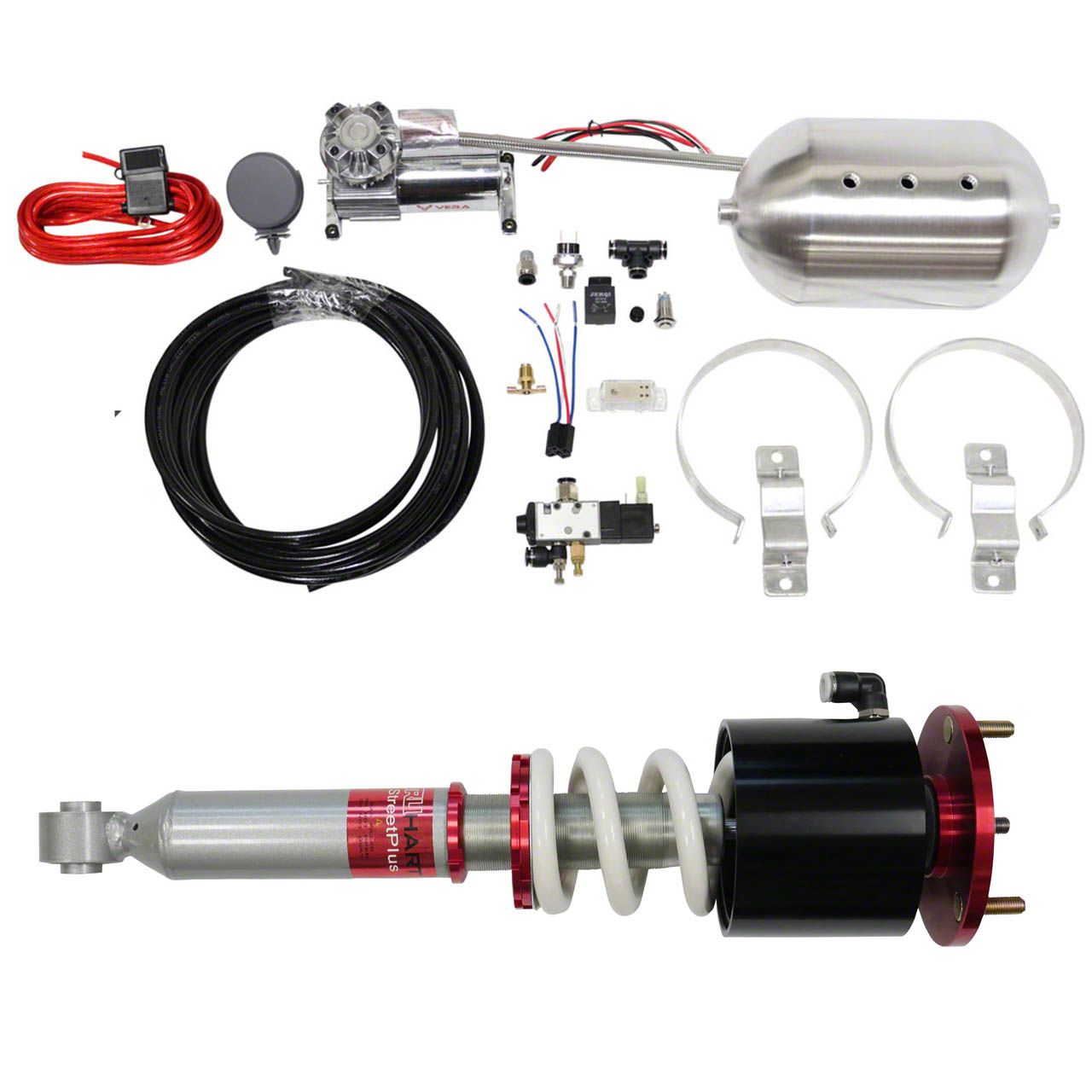 Truhart StreetPlus Coilovers$1.00
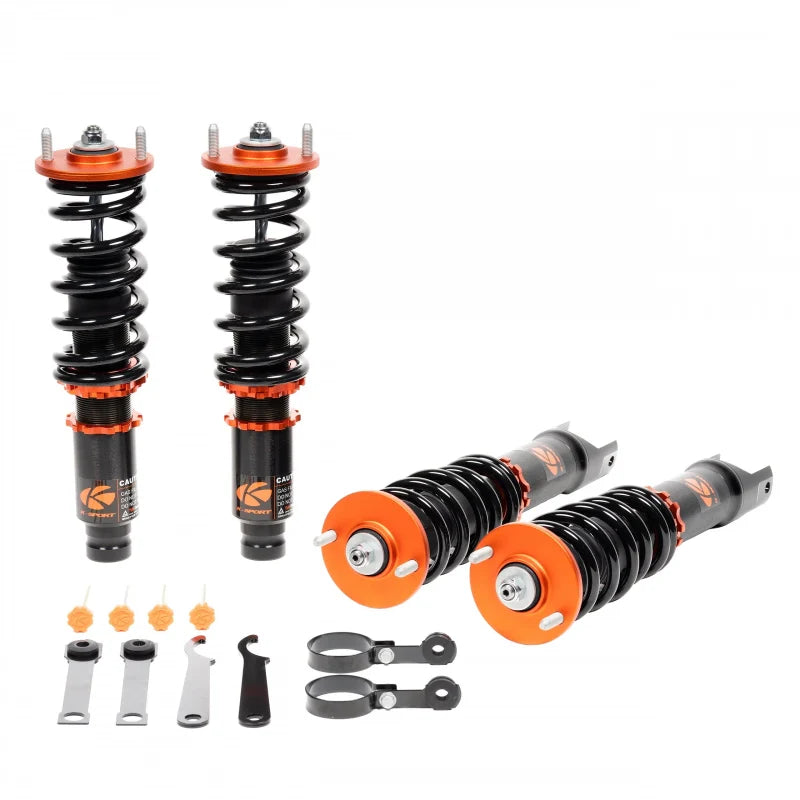 KSport Kontrol Pro Damper Coilovers$1,115.62
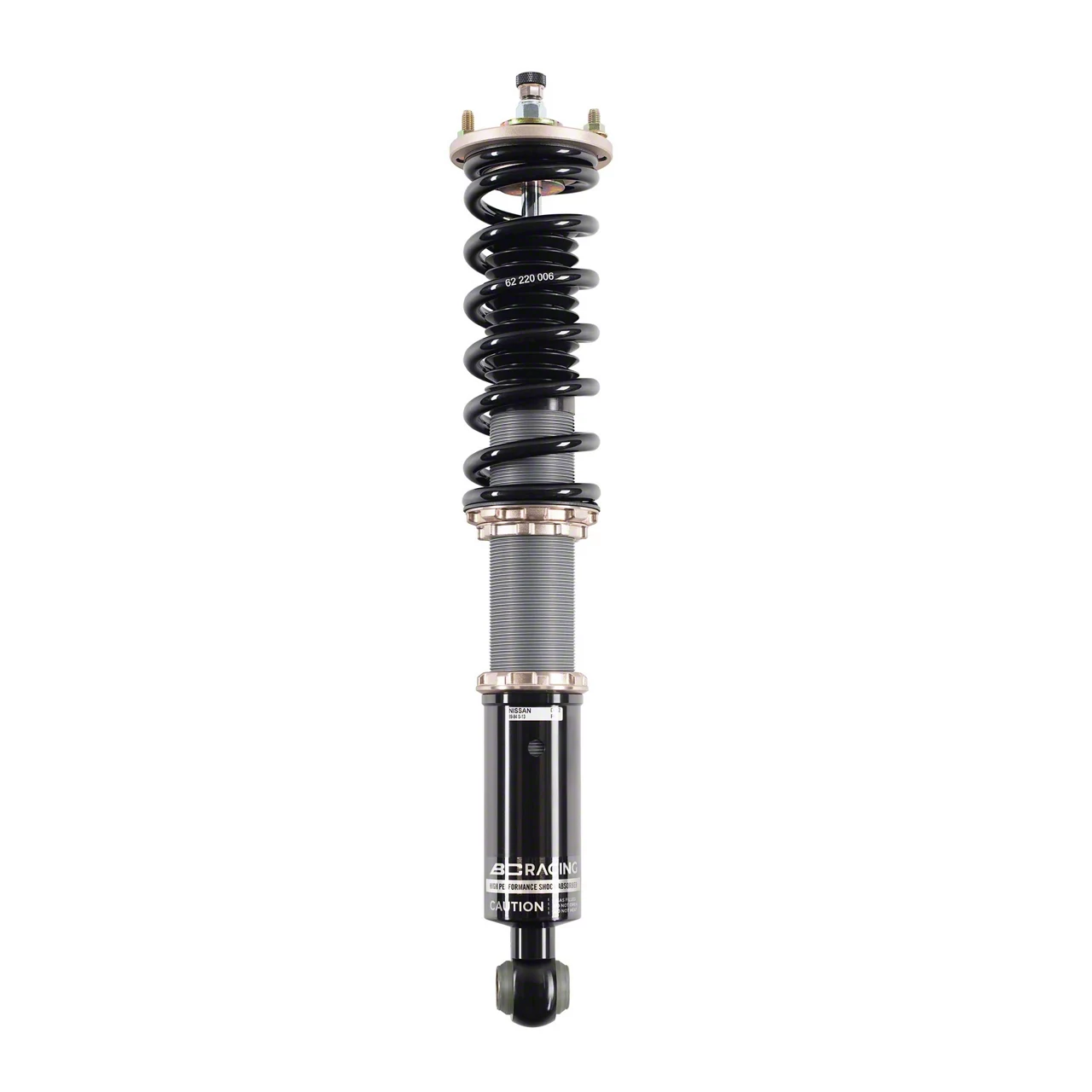 BC Racing BR Series Coilovers$1,195.00
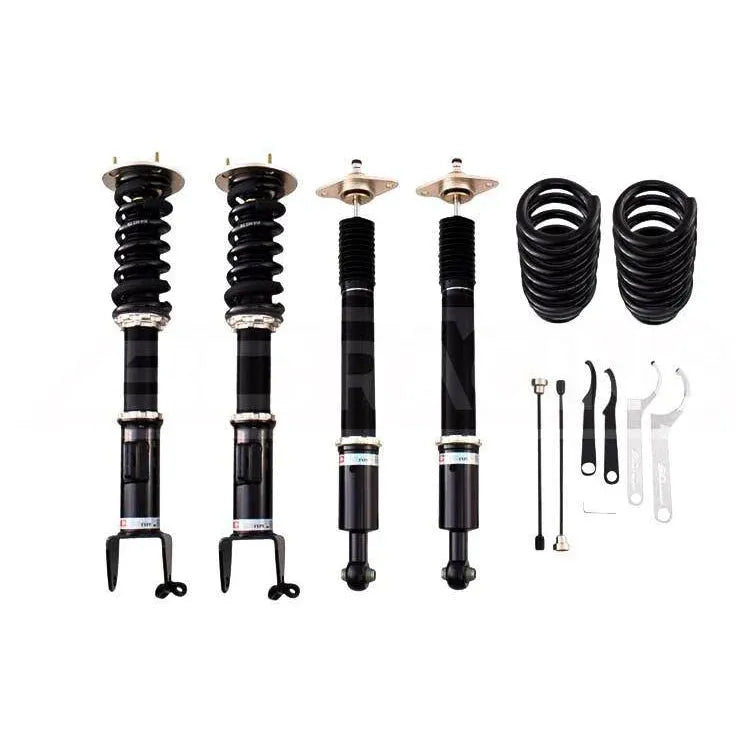 BC Racing BR Coilovers$1,195.00
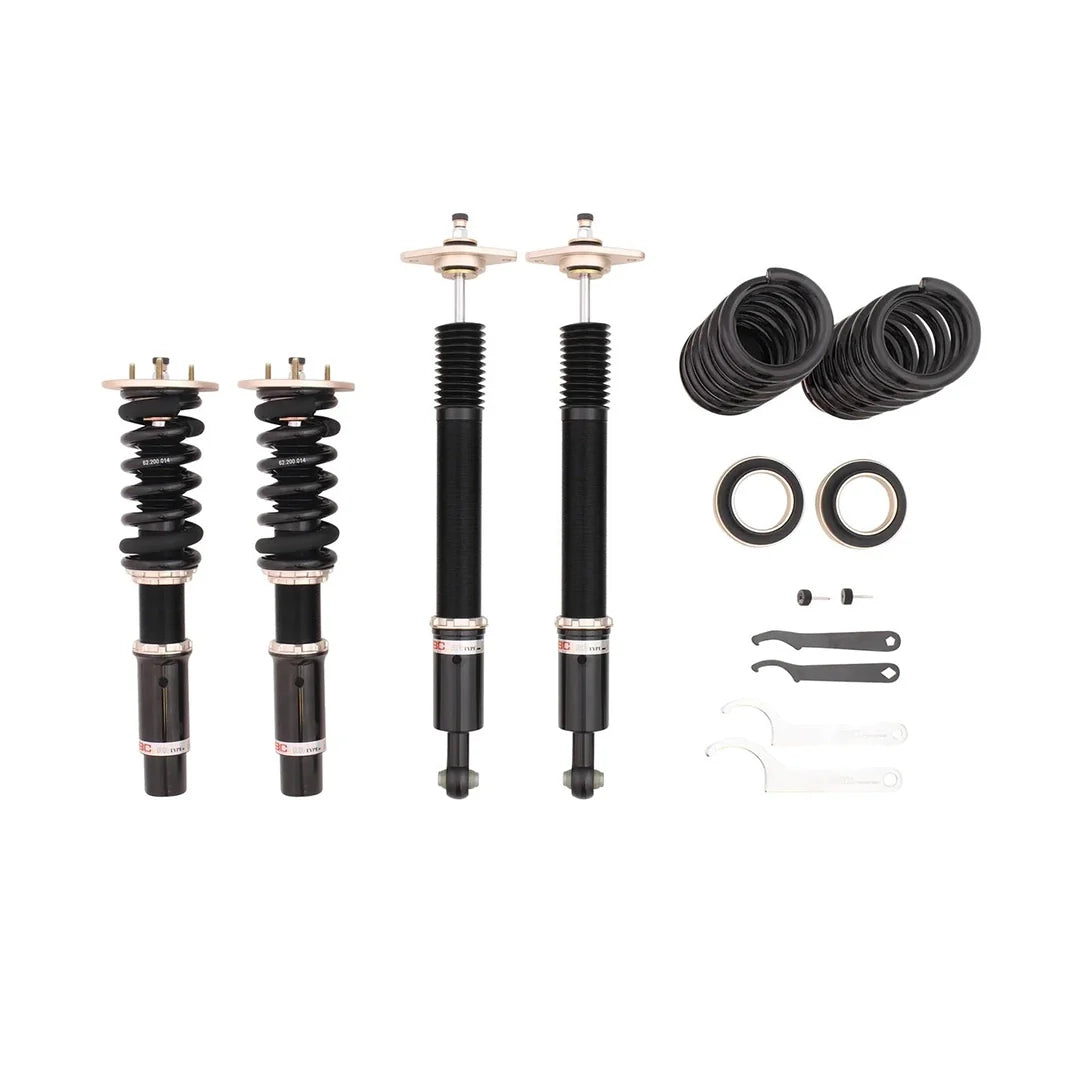 BC Racing BC Racing BR Type Coilovers$1,195.00
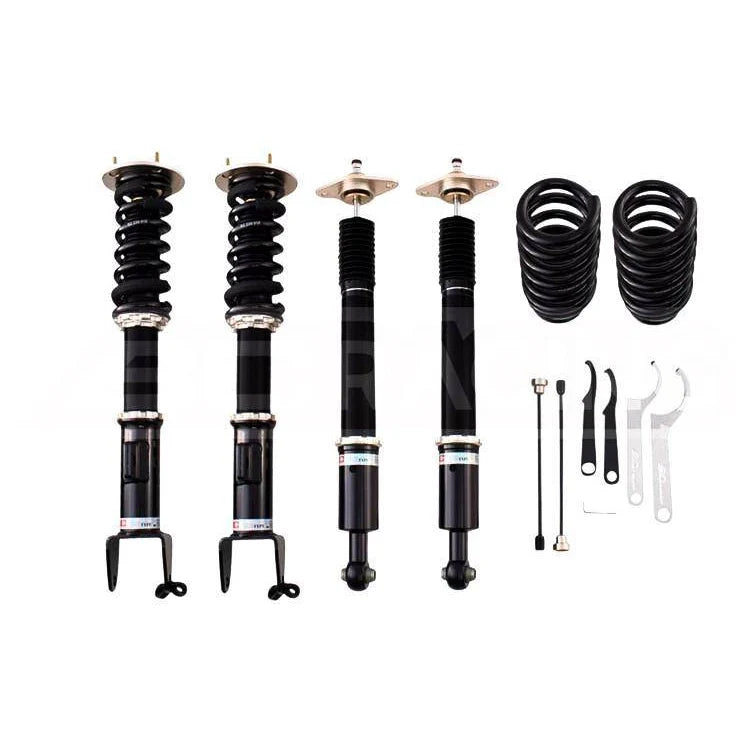 BC Racing BC Racing BR Type Coilovers$1,195.00
 BC Racing BR Series Coil-Over Kit$1,195.00
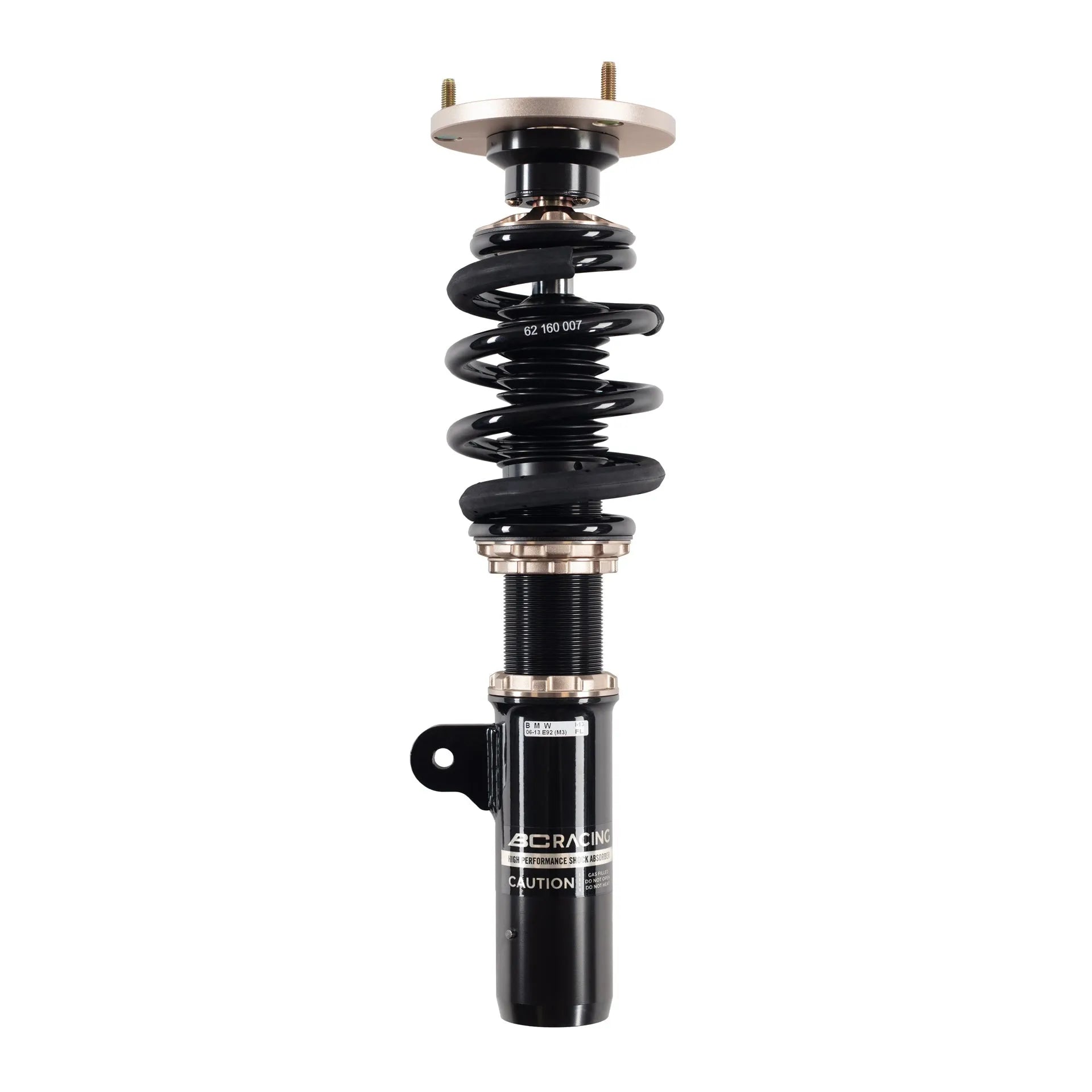 BC Racing BC Racing DS Coilovers$1,395.00
 BC Racing DS Series Coil-Over Kit$1,395.00
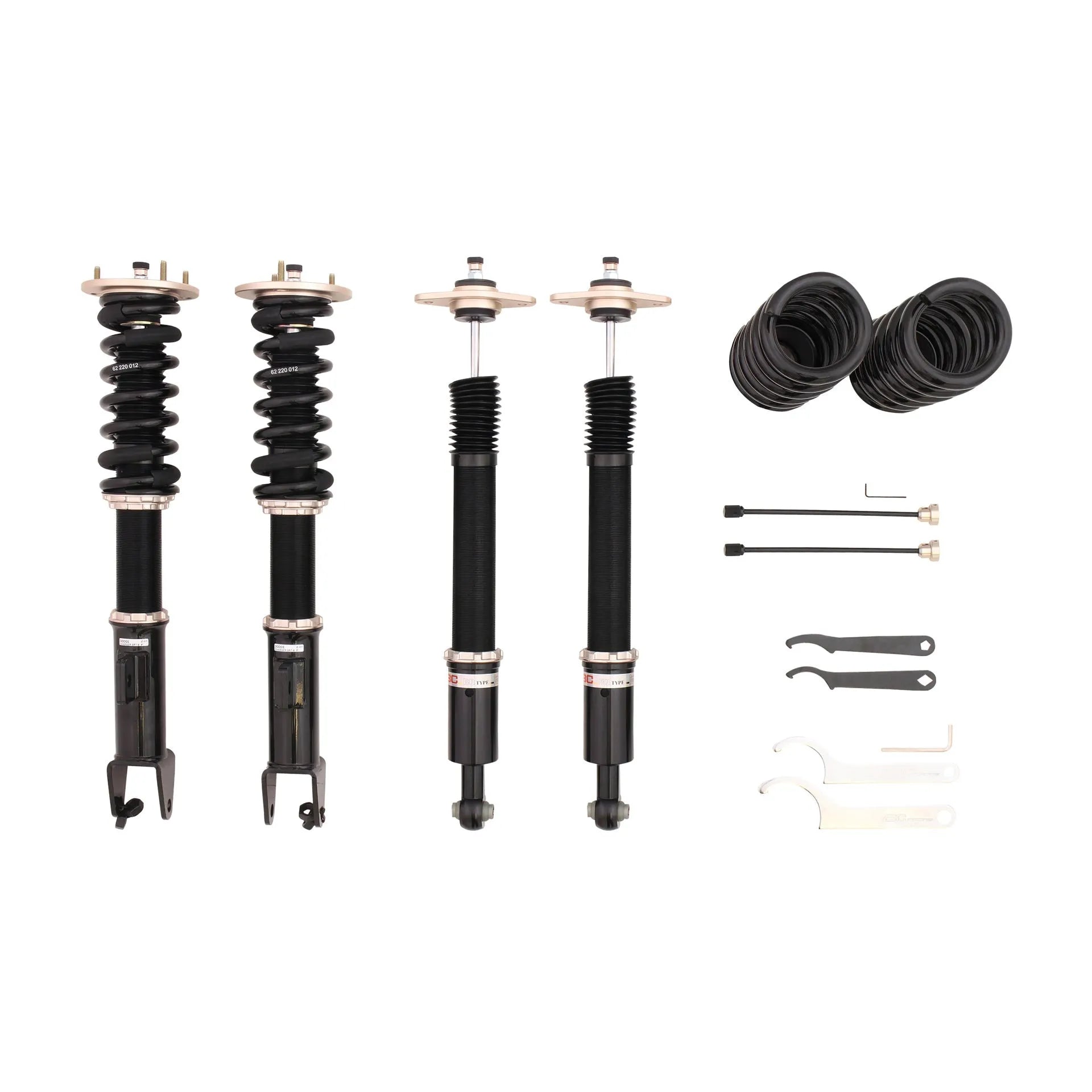 BC Racing DS Coilovers$1,415.00
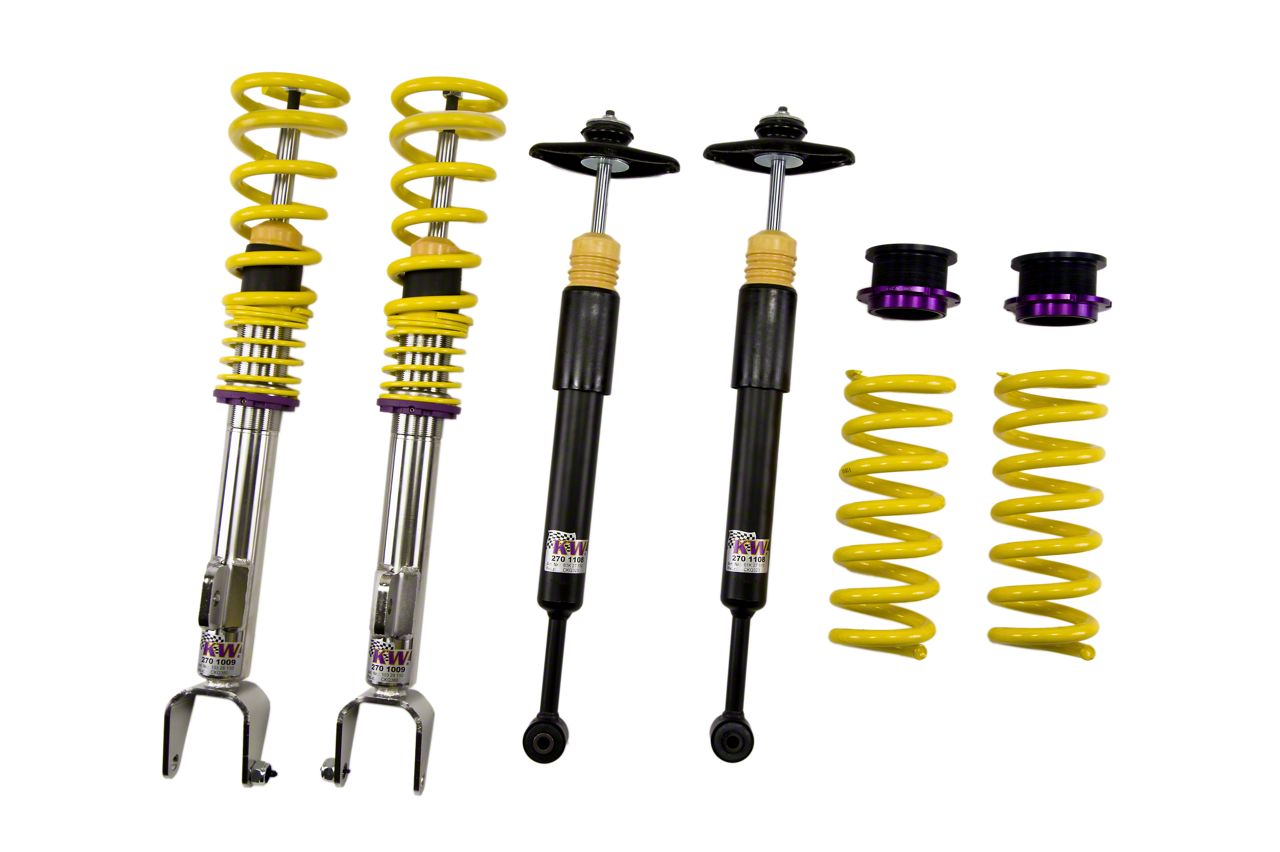 KW Suspension V1 Coilover Kit$2,414.00
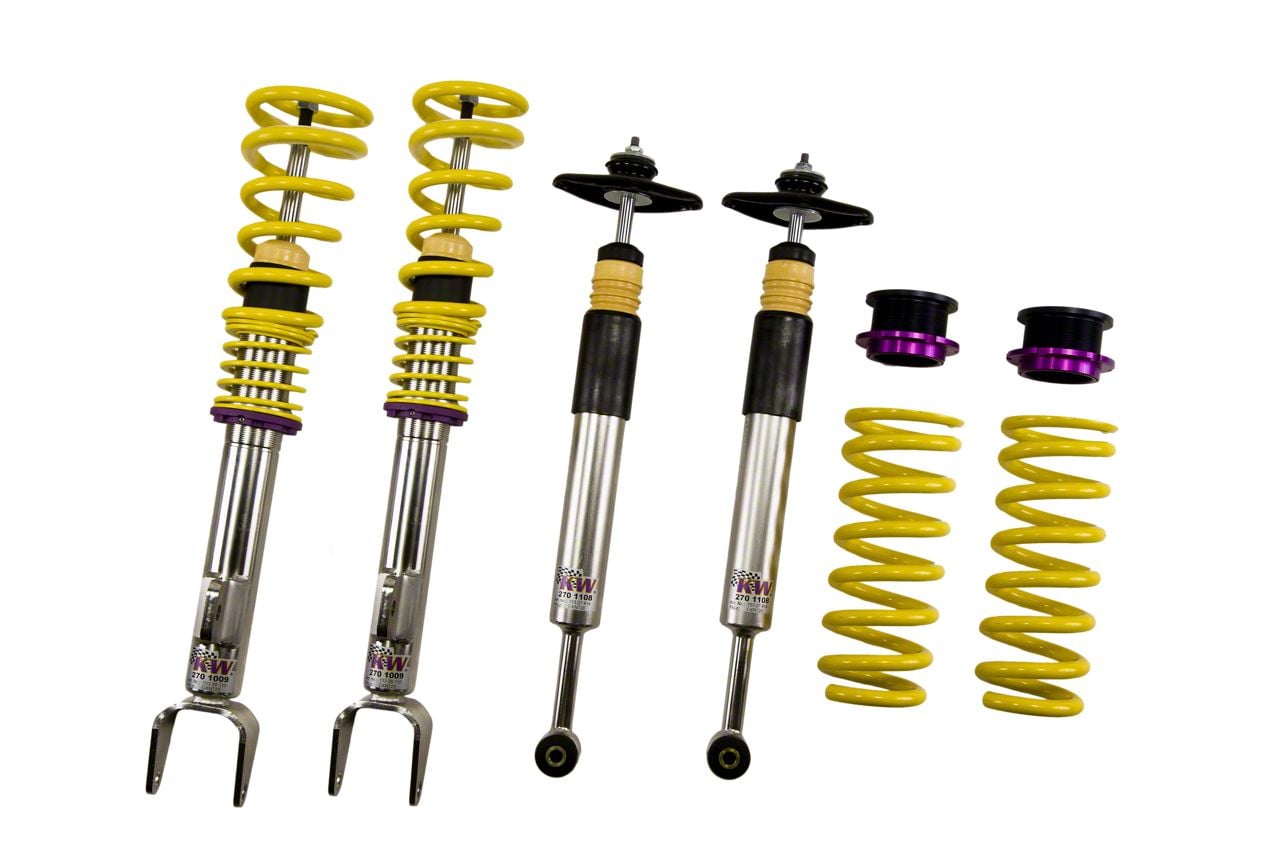 KW Suspension V2 Coilover Kit$2,954.00
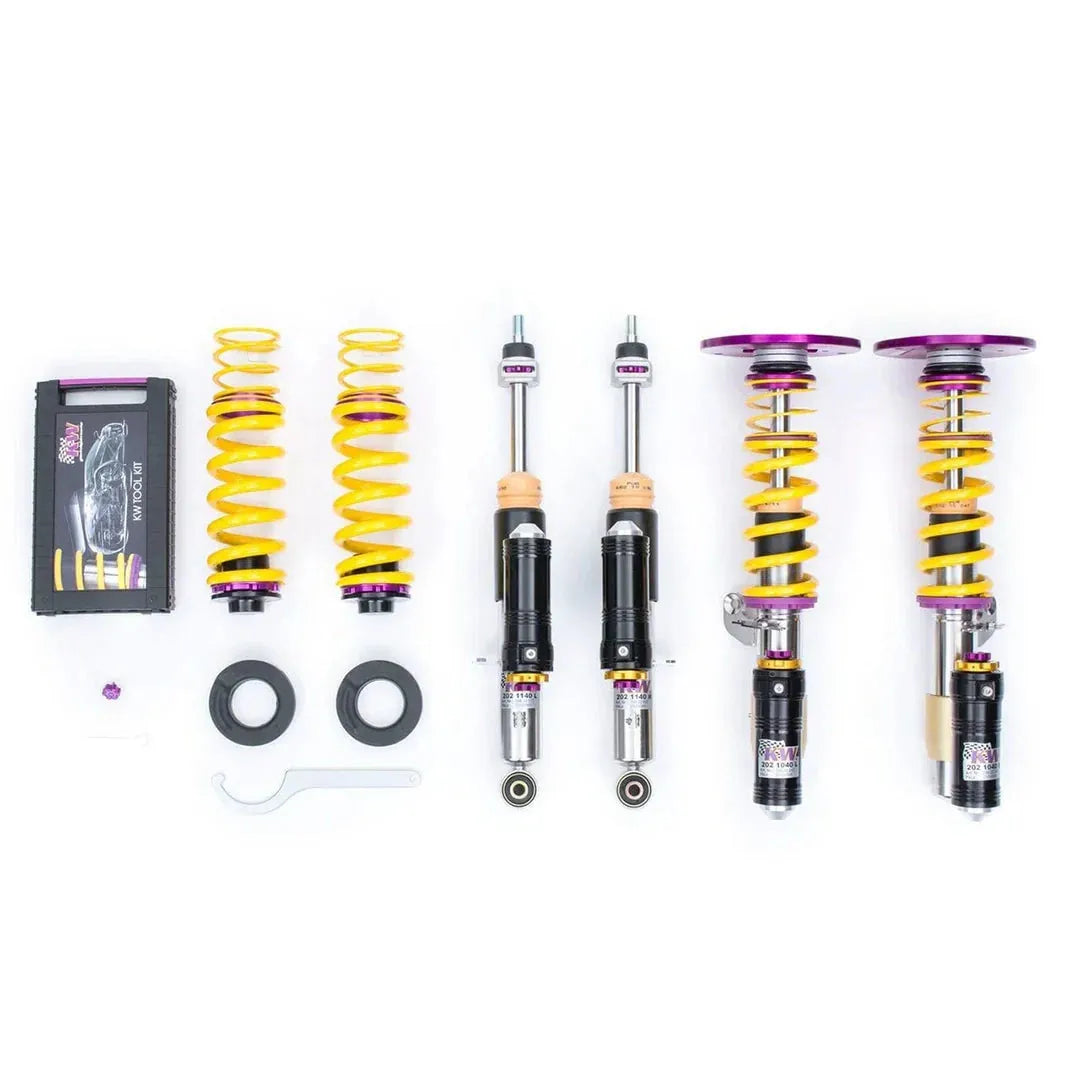 KW Variant 2 Coilover Kit$3,494.00
- KW Suspension V4 Coil-Over Kit$7,494.00
7. SUSPENSION
Lowering Springs vs. Coilovers
| Option | Drop | Ride Quality | Adjustability | Cost | Best For |
|---|---|---|---|---|---|
| Lowering Springs | 1–2" fixed | Firm but daily-driveable | None | $200–$600 | Street, daily driver |
| Coilovers | 0.5–3" adjustable | Varies by brand | Height + damping | $800–$3,500 | Performance, track prep |
Key Brands — Lowering Springs
- Eibach Pro-Kit: Most popular. ~1" drop front, ~1.1" rear. Great balance of comfort and handling.
- Eibach Sportline: ~1.8" drop. More aggressive stance.
- H&R Sport Springs: German-engineered. Progressive rate for comfort + performance.
- KW Suspension: Premium German coilover and spring brand.
Key Brands — Coilovers
- BC Racing: Budget-friendly, adjustable. Good entry point.
- KW Variant 3: Three-way adjustable. Near-perfect street/track balance.
- Bilstein: Premium dampers. Used by Dodge themselves for performance packages.
- Pedders: Australian brand with strong HEMI platform presence. Full suspension kits.
- Ksport Kontrol Pro: Fully adjustable, great value.
Sway Bars
- Front sway bar upgrade: +68% stiffness vs. stock. Dramatically reduces body roll.
- Rear sway bar: +182% stiffness. Transforms cornering.
- Hotchkis, BMR Suspension, Whiteline are top brands.
- Sway bars have "the greatest positive effect" of any single suspension mod per community consensus.
Supporting Mods
- Strut Tower Braces: Tie front strut towers together, reduces chassis flex. Cheap and effective.
- Trailing Arm Brackets (Pinion Angle Adjusters): Required when lowering >1.5" to correct rear pinion angle and prevent driveline vibration.
- Alignment: Always required after any suspension change. Critical for tire wear and handling.
Install Order
- Springs/coilovers first
- Sway bars (front + rear)
- Strut brace
- Trailing arms / pinion angle (if dropped >1.5")
- Alignment (always last)
Site UX Recommendations
- Show stance/drop prominently (users buy primarily for look + handling).
- "Alignment required after install" badge on all suspension parts.
- Pinion angle warning for drops > 1.5".
17. TRACK DAY / ROAD COURSE BUILD NOTES
Priority Order for Track Prep
Track prep is very different from drag strip prep — you need the whole car to work, not just go straight.
- Brakes first — always. Brake fade is the most dangerous failure mode on track. Upgrade pads to high-temp compound (Hawk HP Plus or DTC-60) before any other mod.
- Fluid flush — brake fluid absorbs moisture over time; boils at lower temps. Fresh DOT 4 or DOT 5.1 before every track event.
- Tires — grip is everything on a road course. 200tw performance tires (Michelin Pilot Sport Cup 2, Falken Azenis RT660) transform lap times.
- Alignment — track-optimized setup: front camber -2.5°, caster 8.0°/8.5°, toe -0.01°; rear camber -1.3°, toe +0.01°
- Coilovers — adjustable damping lets you tune for specific tracks
- Sway bars — biggest per-dollar handling improvement; front + rear kit transforms body roll
- Cooling — track sessions generate more heat than street driving. Engine coolant temp, transmission fluid temp, brake fluid all get stressed.
Cooling Mods for Track Use
- Catch can — prevents oil blow-by from accumulating as heat builds through long sessions
- Transmission cooler — automatic TorqueFlite gets hot in repeated hard acceleration
- Engine oil cooler — prevents oil viscosity breakdown on hot summer track days
- Brake cooling ducts — duct outside air directly to brake rotors; most important for repeated braking zones
Alignment Notes for Track
- More negative camber improves cornering grip by keeping the tire flat during body roll
- Stock alignment is near-zero camber — compromised for tire wear, not cornering
- Don't align to track spec if it's also a daily driver — aggressive camber eats tires on the street
- Corner balancing (distributing weight evenly across all four corners) maximizes grip — requires a shop with corner balance scales
Site UX Recommendations
- "Track Day" build path tag
- "Brake fluid flush recommended before track use" note on all track-oriented pads/rotors
- Alignment note on coilovers: "Professional alignment and corner balance recommended"